Live Presentation Day

The day was finally here. The day we had to deliver our ”well prepared” live presentations on any topic of our choice. I will just get right to it, I do not think I did my best. I felt and still feel so disappointed in myself after my presentation. I had all the tips at the back of my mind, and I practised hard. So what exactly happened? What excuse do I have now? I guess nothing.

I started planning my presentation early enough because I had other assessments due the same date. I researched my topic and picked out important information I could explain better to the general audience. I designed my slides baring in mind the clarity, accuracy and conciseness. As the presentation date approached, I began to practice my presentation. I timed myself and with every practice session, my timing improved because I chose critical points to emphasise per slide. I was confident I had mastered my presentation, and I was good to go. The night before, I spent so much time polishing my project literature review, which too, was due the same date. I could swear I had about six cups of coffee to make sure I submitted it in the night so I could concentrate on my presentation. Unfortunately, it kept me up most of the night. The morning of, I was able to submit my literature review, and it was such a relief. Now that the pressure was gone, I was ready to give my presentation.

As my colleagues presented their work, I could not help but notice how good and creative most of them were. Soon my confidence began to vanish, and I doubted myself – I felt drained too. And then it was my turn. As I stood up there, I encouraged myself -you got this, you will do great! However, I did not believe it. My presentation was not smooth at all. I lost my train of thought a couple of times, and it was nothing like I hard practised. At one moment I was voiceless, I no idea what to say next but I quickly remembered my ‘one-minute’ exercise. I had the same experience, and the professor encouraged most of us to keep going, moving to the next slide or idea, which I did. I tried to pick myself up and kept going until I completed, but I knew it was not good.

After my presentation, I wanted the world to swallow me up. I felt so frustrated; my efforts did not pay off. I started to reflect perhaps I memorised my slides and nerves threw me off, or I did not rest enough, and it affected my delivery. All I knew, I didn’t give my best, and it haunts me.

Lights, Camera, Action

Image result for lights camera action

If anyone told me five years ago that I would at some point in life, learn how to produce a TV show or a short film for that matter, it would sound gibberish and crazy. As much as I like watching TV shows as a way to relax and enjoy alone time, I have never thought for a second that I would be learning to create one. I particularly love documentaries and films based on real-life events, their creators are pure genius. The shows are not only educational, but they have a way of letting you into people’s realities. And they are always so emotional; the soundtracks, scenes, shots – that make them so real.

This week’s lecture on TV production was really insightful. We had Dr Davina, a TV producer from the BBC giving us first-hand experience of what goes into the creation of one of TV’s biggest shows. I could tell she was experienced and enjoyed her work – and get this; she is a scientist too. A neuroscientist!!!. Again, its these encounters in this class, that make me feel like I can be anyone in this world. Anyway, back to the point, she talked about the steps that go into TV production and the different roles played by the team that create these shows. First, is the planning stage; based on a subject, a group of researchers, writers and producers gather information about the topic, write scripts, plan shoots and locations of the shots. The planning session is critical in driving a successful and smooth production. However, she emphasised things might not go to plan for various reasons. And as producers, they should anticipate these and be able to make changes even during the shooting stage.

The shooting stage a very critical step in telling your story is a reflection of the plan. We learnt the different shot types that go into shooting a scene. Close up shots show important detail while wide shots introduce views and allow us to see the entire scene-setting. We can shoot a scene more than one from different shot sizes to capture all angles that will be useful in bringing out the story. An essential part of keeping in mind during shooting is the general views used to get in and out of scenes and also allow for commentating or voice-overs shots. These views are applied during interviews or when experimentally demonstrating an aspect of the subject. Non-synch wide shots are great shots that show an interview set up but you can’t see the lip movements of either person in the interview. They allow for voice-overs as well. An exciting and fun concept applied in short films is the vox pops which are brief Q&A sessions with members of the public to get opinions of your topic from the public. It is useful in illustrating a point. The final stage in TV production will be editing the video to make the stories we see on TV. We will be able to learn more about this in our next lecture.

After this lecture, I caught myself a few times pointing out the different shots on a Netflix documentary series I was watching. I find the concepts from the lecture very relatable and applicable now when I take pictures with my friends or videos when we hang out. As I prepare for the vodcast, I know I will get to apply most of what I learnt and try to put it all together to create something.

Pre-Lecture: Television production

Tomorrow I embark on yet another class in communicating science – Television production. This lecture will be able to help me with preparation for the vodcast assessment. Therefore, I hope to learn what goes into video production, how to tell a story and make it captivating. I am also looking forward to the workshop session, and I hope we get to have some hands-on practice. Stay tuned, and I will let you know how it goes.

Master the art of public speaking

Image result for public speaking

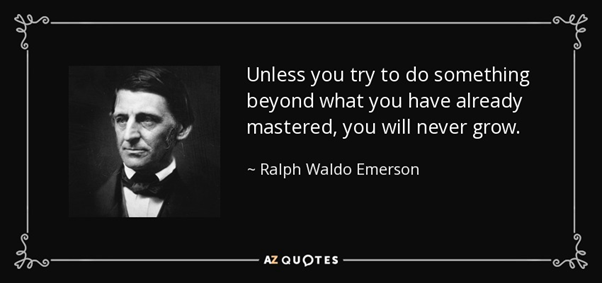
“All great speakers were bad speakers at first”

Ralph Waldo Emerson

We have all had that one or two presentations we have made and felt the audience cringe on our behalf as we were falling apart right before their eyes. My very first experience was back in my undergraduate class. I had to make a presentation on behalf of my group; I was confident I would do well until I took the stage. It was a disaster. I could barely understand what was in my slides. I took the most prolonged pauses between points, and I developed a weird stutter. My team could not recognise me up there. I longed for the end of the presentation, and so did the rest of the audience.

Thursday’s lecture pointed out mistakes I made then and some that I carried on. It is worth noting that practice makes perfect. With more presentations I made, my confidence grew; unfortunately, my nerves stayed put. In the lecture, I learned a few aspects of handling my nerves – breath, pause, and regroup. I hope to use these during my upcoming presentation. My nervous tell is avoiding eye contact with the audience; this way, I believe they can not see right through me. I hope to work on this before presentation day. The professor talked about controlling the speed of our speech, and in this way, we avoid our mind going blank by allowing our brain process what we say next. This was definitely a take-home message for me.

We also got to learn about designing proper PowerPoint slides appropriate for presentations. Things as simple as text font, background colour, content or graphics can throw the audience off and sink a presentation. It will be ideal to find a balance in the slide design that will suit the audience. Excellent presentation slides directly affect the delivery of the content, so it was best to know the pros and cons of ‘good’ slides.

And finally, the lecture exercise was a bit of everything. A one-minute abrupt presentation, with no prior knowledge of the topic, no practice, no chance to think. Sounds exciting right? It was, and scary as well. We had to apply the public speaking skills we had just learned. I was called to present first. As I walked to the front of the class, my nerves got the best of me. I could feel the tremor in my hands and my heart racing. I was in the spotlight, and it was the longest minute I have ever experienced. As the rest of the class took turns in the presentations, I thought of how much I could have said, but I did not. Listening back to the presentation recordings, I laughed my heart out. I did not recognise the person speaking. I was so nervous and repeated myself a few times. It was a great exercise that I will probably reflect on every time I have a presentation.

Pre-Lecture: Public speaking

A class on public speaking? Yesss.

This is going to be interesting. I can just feel it.

Don’t get me wrong. My enthusiasm for the next class is not because I love to speak in public – no. Nobody does. I am terrified of it like most people. You would expect that by now, I would have the hang of it after having done some presentations before – but no. My nerves will not let me be confident when I have to. Put me in front of colleagues and friends, and I will chat away non stop regardless of the topic. But give me a subject to present in a formal setting, that will be the death of me. My entire body chemistry is imprisoned by a state of fear and anxiety that stops me from delivering my speech. I have received tips here and there on how to overcome my nerves, but it’s easier said than done, right! We all have that thing we try to do to keep calm but, oh boy, our mind does not recognise it at that particular moment. No matter how hard I tell myself, to imagine everyone in the audience is wearing a funny mask, it does not really work. My nerves get the best of me, and I end up not even knowing what I said if I got to talk at all. I am curious to know what will be discussed in tomorrow’s lecture to make me more confident.

What makes a good press release?

Success consists of going from failure to failure without loss of enthusiasm.

– Winston Churchill

As I headed into my second lecture in communicating science, I wasn’t excited or eager as I was for the first. In fact I was anxious. I was worried. There was a lot on my mind. I started receiving my exam grades and they were not as I hoped they would be. When I walked into class, I reflected on the first lecture and how we had to talk about things that made us anxious. Fear of failure was mine. Professor Lewis’ advice resonated in my mind for a few minutes before I regrouped. He said ‘if you never try something and fail it, then you will never get better’. It made so much sense at this particular moment than before. And it was up to me to now to focus ahead.

The lecture was delivered in two sessions. In the first, we embarked on how science hits the news. The stages the information passes through to make headlines. I quickly saw my role as a scientist in making sure the media report accurate scientific information. Science isn’t fancy or entertaining, so over the years, it has had its fair share of twisted truths to make it newsworthy. In the long run, hurting real research. It was satisfying to know that scientists are involved in how the media report scientific information. I learned how to structure press releases, making them enjoyable to read and follow. Titles are everything! It must draw the reader to the story and it should be able to tell the entire story.

The second session with Chloe Kembery from the British Council painted us a picture of how science makes news from the journalist’s point of view, and what news the media wants. A press release is one approach used to communicate scientific news to journalists. She elaborated on key aspects that make stories newsworthy. Stories must be timely, relevant to target audiences, have a wow-factor and be relatable. I learned that the flow of content in a press release matters a lot, vital information must form the first sentences of the article. We had a short engaging workshop on how to translate journal articles into a summarised press release article. This was a useful task to practice with, ahead of our press release assessment.

What I love about this class so far is each lecturer talks to us about their career paths and how they got to do what they do today. This is very inspiring. I was particularly impressed by Chloe’s passion for journalism and science. As she gave us a brief overview of her career, I couldn’t help it but wander off in my thoughts. I reflected on my career till that moment and whether it will be what I continue to pursue in the next five years.

This is certainly more than just a class.

Pre-Lecture: Press release and Journalism

Like I previously implied, taking the communicating science class is one of my ‘out-of-the-box’ things. Each week presents an opportunity to either learn more about something I have heard before or learn about a new aspect I have had no prior knowledge of. This week I embark on how to write a press release and journalism. I expect to know more about press releases, how to write them and their relevance in journalism. I am particularly interested in finding out the role of scientists and journalists in press release write-up. Where do we draw the line between the roles of the two?

Detour into Communication

I want to introduce you to my blog, which is mainly going to focus on my journey in learning how to communicate science. The few people who know me can testify to how nerve-racking it is for me to write publicly, let alone own a blog! But by undertaking this course, I hope to learn how to be comfortable in my writing.

As an aspiring scientist, the primary focus of my training has been on how to carry out experiments, procedures, analysis of data and draw conclusions that are mainly presented to scientific audiences. But the reality is, this information is not just meant for scientists but the general public as well. So how do we translate the research data into information that can benefit the larger audience? In other words, how do we communicate science effectively?

Before I attended my first class on the subject, my obvious reasoning to this question was to simplify our language in both writing and public speaking to engage everyone. After the lecture, I was honestly impressed and learned that we must be mindful of the audience we are conveying the message to as well. Is it to politicians? The media? Students?, the approaches used must suit the target group. During the course we will be engaged in live presentations, video production, blogging all of which are to build on our skills in better communicating. Through communicating science, we could advise governments on health policies, engage the public on current scientific developments and help them make healthy informed decisions. Am i considering taking it up as a career? Certainly. Maybe. We will find out.

As this journey unravels, I hope to step out of my comfort zone, try to learn new experiences, improve on my writing and speaking, but mainly learn to keep going even when it gets overwhelming.